
Understanding the Importance of a Stress Test
When it comes to heart health, early detection of problems can be life-saving. One of the most common diagnostic tools used by cardiologists worldwide is the stress test. This simple yet powerful procedure plays a critical role in assessing how well your heart works when it’s pushed beyond its comfort zone. If you or someone you know has been advised to undergo a stress test, you might be wondering what exactly it reveals about your heart.
In this comprehensive guide, we’ll delve into what a stress test shows, how it works, and why it’s a vital step in maintaining a healthy heart. We’ll also touch upon the TMT test (Treadmill Test), a specific type of stress test, and explain what you should expect during and after the procedure.
What Is a Stress Test?
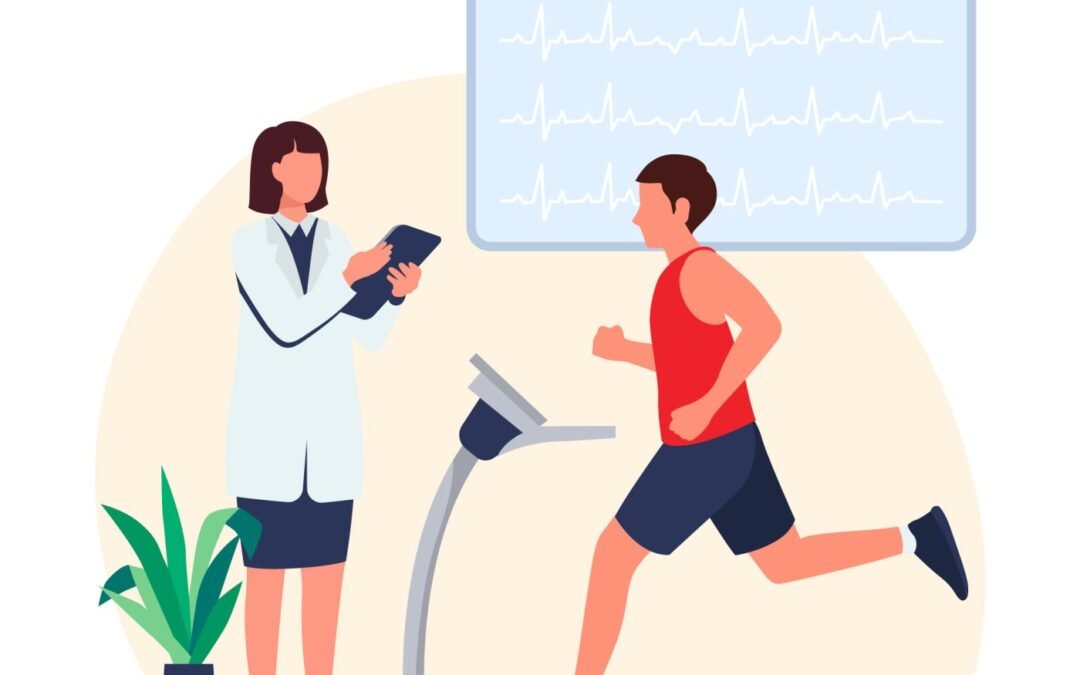
A stress test is a medical examination designed to measure how your heart responds to physical exertion. The main goal is to observe the heart’s performance under conditions that simulate increased activity, which can help to unmask problems not visible when the heart is at rest. During this test, your heart is monitored while you exercise, usually on a treadmill or a stationary bike, although sometimes medications may be used to mimic the effects of exercise for those who cannot perform physical activity.
How Does a Stress Test Work?
When you undergo a stress test, electrodes are attached to your chest to record your heart’s electrical activity through an electrocardiogram (ECG or EKG). The test typically starts with a period of rest, followed by gradually increasing physical activity. Throughout the test, your heart rate, blood pressure, and breathing are closely monitored. This controlled environment helps doctors to detect abnormalities that might not be apparent otherwise.
Why Is a Stress Test Performed?
A stress test serves as a diagnostic window into how your heart functions under pressure. It’s commonly recommended for people who experience symptoms such as chest pain, shortness of breath, irregular heartbeats, or unexplained fatigue.
These symptoms may indicate underlying heart disease, and a stress test can help determine if further investigation or treatment is needed. Additionally, a stress test is used to evaluate the effectiveness of ongoing treatments for heart conditions and to guide safe levels of physical activity for patients recovering from cardiac events.
Key Reasons for a Stress Test
- Detect Coronary Artery Disease (CAD): Blockages in the arteries supplying the heart can limit blood flow, especially during exercise. A stress test can reveal signs of CAD.
- Assess Heart Rhythm Problems: Arrhythmias may only become evident during exertion.
- Evaluate Exercise Tolerance: After heart surgery or a heart attack, a stress test helps determine how much physical activity is safe.
- Monitor Effectiveness of Cardiac Treatments: It helps in tailoring medication or rehabilitation programs.
Types of Stress Tests
Several variations of the stress test exist, each tailored to different patient needs and medical questions. The most common type is the tmt test (Treadmill Test), where you walk or jog on a treadmill while your heart is monitored. Other forms include the stress echocardiogram, which uses ultrasound imaging, and the nuclear stress test, which tracks blood flow with a special dye.
The TMT Test: A Closer Look
The tmt test is widely used because it’s non-invasive, straightforward, and effective in diagnosing hidden heart problems. During this test, the treadmill’s speed and incline are increased in stages, making your heart work progressively harder. Doctors evaluate your heart’s electrical activity, blood pressure, and symptoms at each stage to identify any abnormal responses.

What Can a Stress Test Reveal About Your Heart?
The insights gained from a stress test are invaluable for both patients and healthcare providers. Here’s what the results can uncover:
- Reduced Blood Flow: If the heart isn’t getting enough oxygen-rich blood during exercise, it could indicate blockages in the coronary arteries.
- Abnormal Heart Rhythms: The test can trigger arrhythmias that are not present at rest.
- Exercise-Induced Symptoms: Chest pain, dizziness, or shortness of breath during the test can point to underlying heart issues.
- Overall Heart Function: How efficiently your heart pumps blood and recovers after exertion provides clues about its health and resilience.
How Results Are Interpreted
Doctors analyze the data collected during a stress test to look for patterns or anomalies. For example, certain changes in the ECG or a drop in blood pressure during exercise might signal a need for further testing or intervention. In some cases, the test can help rule out heart disease, providing peace of mind for patients with low risk.
Preparing for a Stress Test
Being well-prepared can make your stress test experience smoother and more accurate. Patients are usually advised to wear comfortable clothing and avoid eating, drinking caffeinated beverages, or smoking several hours before the test. Informing the healthcare team about any medications or existing conditions is essential, as these can affect the results.
Tips for an Effective Test Experience
- Arrive Early: Gives you time to relax and ask questions.
- Follow Pre-Test Instructions: Adhering to guidelines ensures accurate results.
- Communicate Symptoms: Let your doctor know if you feel unwell at any point during the test.
What Happens After a Stress Test?
Once your stress test is complete, you’ll be monitored for a short period as your heart rate and blood pressure return to normal. Your doctor will review the results and discuss what they mean for your health. Depending on the findings, you may need additional tests, changes in medication, or lifestyle recommendations to optimize your heart health.
Next Steps Based on Results
If the stress test reveals any concerns, your doctor might suggest further diagnostic procedures, such as an angiogram or an echocardiogram. On the other hand, normal results could simply mean you’re safe to continue with your current lifestyle and exercise routine.
Conclusion: The Value of a Stress Test in Heart Health
A stress test is a vital diagnostic tool that provides crucial insights into your heart’s health and performance under exertion. Whether you’re undergoing a tmt test or another form of stress testing, the results can highlight issues such as reduced blood flow, arrhythmias, or exercise intolerance that might otherwise go undetected. Being proactive about your heart health with timely testing and open communication with your doctor can make a significant difference in preventing and managing heart disease.
For those seeking expert cardiac care, Dr. Pankaj Harkut, an experienced interventional cardiologist at Swasthyam Superspeciality Hospital in Nagpur, India, offers advanced diagnostic and treatment services, including state-of-the-art stress testing. His patient-centered approach ensures you receive the most accurate assessment and personalized care for your heart.