Every year, millions of lives are affected by cardiovascular emergencies. Recognizing the warning signs of a heart attack and stroke is not just important—it’s life-saving. When it comes to heart and brain health, time is everything. By understanding what to look for and how to act, anyone can be prepared to help themselves or a loved one during those critical moments.
In this blog, we’ll explore the most crucial heart attack warning signs, symptoms of a heart attack and stroke indicators, empowering you with actionable knowledge. Whether you’re a healthcare professional, caregiver, or simply someone wanting to stay informed, being aware of these signals can make all the difference. Let’s break down what you need to know to protect yourself and your loved ones.
Understanding Heart Attack Warning Signs
What is a Heart Attack?
A heart attack, also known as a myocardial infarction, occurs when blood flow to a part of the heart muscle is blocked, often by a blood clot. This blockage deprives the heart muscle of essential oxygen, causing damage or even death to the muscle tissue if not treated promptly. Recognizing the heart attack warning signs early can vastly improve survival rates and recovery outcomes.
Common Heart Attack Warning Signs
While heart attacks can present differently for each person, some symptoms are more common than others. The classic warning signs include:
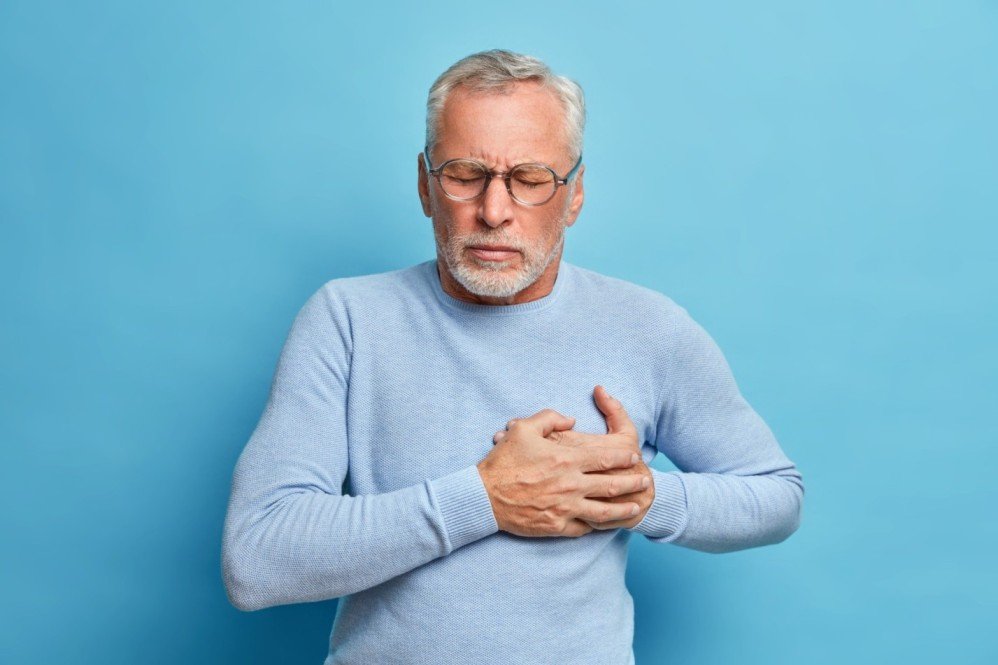
- Chest pain or discomfort that may feel like pressure, squeezing, fullness, or pain in the center or left side of the chest.
- Discomfort in other areas of the upper body, such as the arms, back, neck, jaw, or stomach.
- Shortness of breath with or without chest discomfort.
- Cold sweat, nausea, or lightheadedness.
It’s crucial to remember that not everyone experiences severe pain—some people, especially women, the elderly, or those with diabetes, may have milder or atypical symptoms.
Symptoms of Heart Attack in Different Populations
Certain groups may experience unique symptoms of heart attack. For example, women are more likely to report symptoms like fatigue, indigestion, or pain in the back or jaw rather than classic chest pain. Older adults may attribute symptoms to aging or other health issues, leading to delayed treatment. Understanding these subtle differences can ensure more prompt and appropriate responses.
Recognizing the Warning Signs of a Stroke
What Is a Stroke?
A stroke occurs when blood flow to the brain is interrupted, either by a clot blocking a vessel (ischemic stroke) or by a ruptured blood vessel (hemorrhagic stroke). Without oxygen-rich blood, brain cells begin to die within minutes, making recognition and rapid action vital.
Key Stroke Warning Signs: The FAST Test
One of the most effective ways to remember the warning signs of a stroke is the FAST acronym:
- F – Face drooping: One side of the face may droop or feel numb. Ask the person to smile and look for unevenness.
- A – Arm weakness: One arm may feel weak or numb. Ask the person to raise both arms; does one drift downward?
- S – Speech difficulty: Slurred or strange speech is a red flag. Ask the person to repeat a simple sentence.
- T – Time to call emergency services: If you notice any of these signs, call for help immediately.
Additional stroke symptoms can include sudden confusion, trouble seeing in one or both eyes, loss of balance or coordination, and a sudden severe headache with no known cause.
Stroke Symptoms Can Be Subtle or Sudden
Strokes can strike without warning and often progress rapidly, making immediate recognition essential. Sometimes, symptoms of a stroke may come and go or resolve quickly—this could be a transient ischemic attack (TIA), often called a “mini-stroke,” which is still a medical emergency and a warning sign for future strokes.
What to Do if You Notice Heart Attack or Stroke Warning Signs
Immediate Actions Save Lives
If you or someone nearby is experiencing heart attack warning signs or stroke symptoms, do not delay. Call emergency medical services right away. Chewing an aspirin (unless allergic or contraindicated) and staying calm while waiting for help can be beneficial during a suspected heart attack. For stroke, remember that every minute counts—do not attempt to drive yourself or others to the hospital unless absolutely necessary.
Why Prompt Medical Attention Is Crucial
Early intervention can significantly reduce the amount of damage to the heart or brain and improve recovery outcomes. Modern treatments for heart attacks and strokes are most effective when administered as soon as possible after symptoms begin. This is why recognizing the warning signs and acting quickly is vital for survival and long-term health.
Quick Comparison of Heart Attack and Stroke Warning Signs
| Heart Attack | Stroke | |
| Primary Cause | Blocked blood flow to heart muscle | Blocked blood flow or bleeding in the brain |
| Symptoms | ||
| Chest Pain | Common | Rare |
| Arm/Shoulder Pain | Common (especially left side) | Possible (arm weakness/numbness) |
| Face Drooping | Rare | Common |
| Speech Difficulty | Possible (if severe) | Very Common |
| Shortness of Breath | Common | Less Common |
| Sudden Numbness/Weakness | Possible | Very Common (face, arm, leg) |
| Vision Problems | Rare | Common |
| Severe Headache | Rare | Possible (sudden onset) |
Prevention: Reducing Your Risk
Lifestyle Changes that Make a Difference
While not all cardiovascular events are preventable, adopting a heart-healthy lifestyle can reduce your risk. This includes eating a balanced diet, exercising regularly, managing stress, avoiding tobacco, and keeping medical conditions like high blood pressure, diabetes, and high cholesterol under control. Regular checkups can also help detect issues before they become emergencies.
Conclusion: Empower Yourself with Knowledge
Recognizing the warning signs of a heart attack and stroke can save lives, including your own. Knowing the symptoms of a heart attack, such as chest discomfort, arm pain, and shortness of breath, as well as the FAST signs for stroke, equips you to act quickly during emergencies. Remember, time is critical—immediate medical attention leads to better outcomes. Stay informed, stay proactive, and educate those around you.
For those seeking advanced cardiac care, Dr. Pankaj Harkut at Swasthyam Superspeciality Hospital in Nagpur brings over two decades of expertise in both invasive and non-invasive treatments, ensuring patients receive individualized and state-of-the-art care. His commitment to excellence and patient-centered approach make him a trusted name in heart health in Central India.